Is Your Program Still Working? Six Signs It May Be Time to Adapt
Organizations invest significant time, resources, and energy into building programs that serve their communities. When a program has a strong history, committed staff, loyal participants, or demonstrated results, continuing it can feel like an easy decision. After all, if something is working, why change it?
But programs do not operate in static environments. Community needs evolve. The people participating in programs change. Funding and staffing shift. New services become available. Technology creates different possibilities. And organizations themselves develop new priorities and capabilities. A program can still be good while becoming less aligned with what people need now.
Recognizing that shift early gives organizations an opportunity to adapt before challenges become crises. The goal is not to constantly redesign programs or chase every new trend. It is to periodically ask whether the program is still accomplishing what it was designed to accomplish and whether its current approach remains the best way to get there.
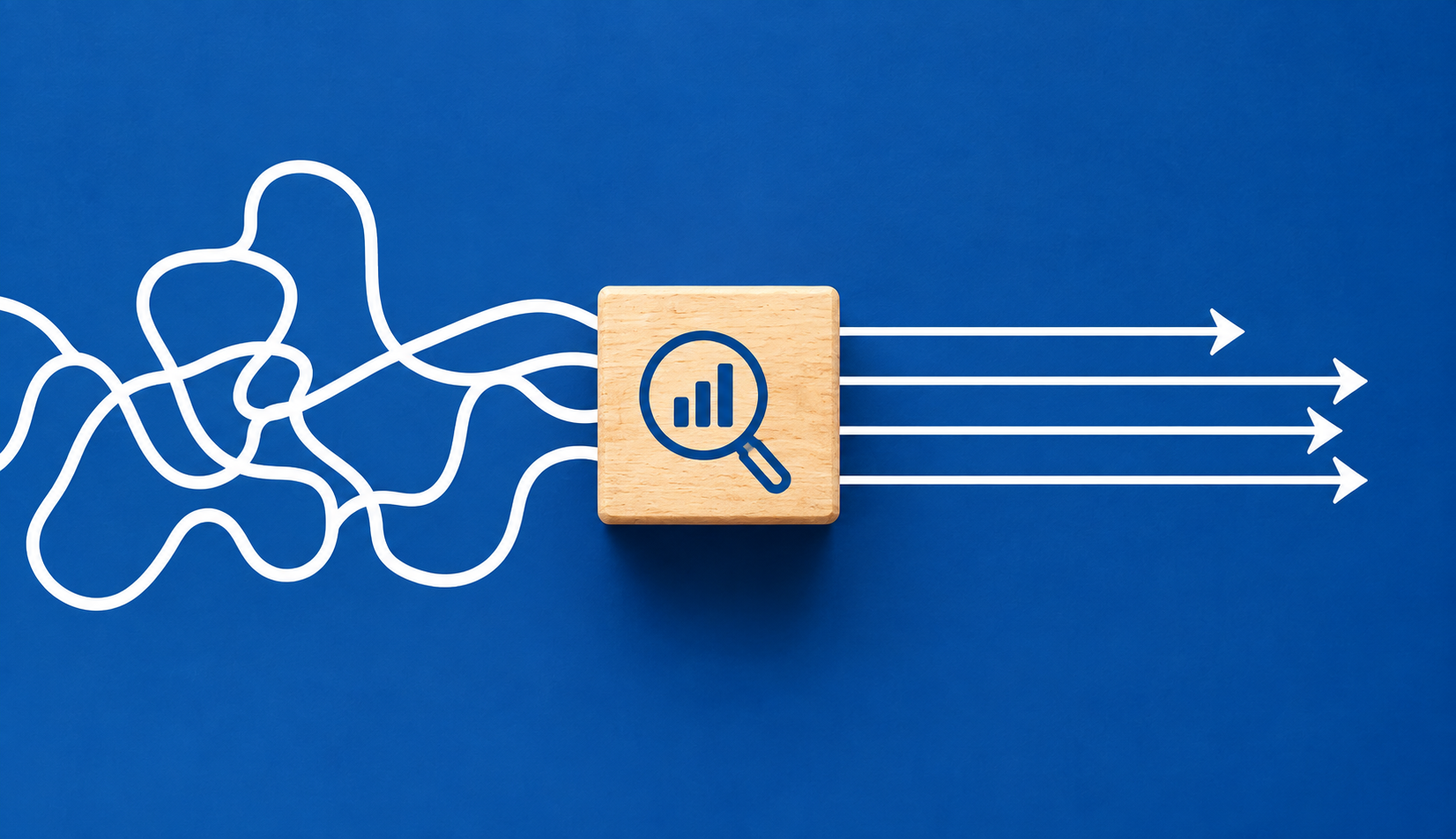
The question is not whether a program has worked in the past. It is whether the program is still working today and what may need to change to keep it relevant, effective, and sustainable.
Here are six signs it may be time to take a closer look.
1. Participation Is Changing, and You Are Not Sure Why
Declining enrollment or attendance is an obvious reason to pay attention, but participation changes can be more subtle. Maybe registrations remain strong, but fewer people complete the program. Perhaps one population is engaging more while another has become harder to reach. Or staff are spending considerably more time recruiting participants to maintain the same numbers. These patterns do not automatically mean the program is no longer valuable, but they do suggest something has changed. Rather than immediately increasing outreach or recruitment, step back and ask what participation patterns may be telling you about accessibility, relevance, or changing community needs.
Try this: Look at participation data over time and break it down in different ways. Who is participating, who is not, who is completing the program, and where are people disengaging? Pair the numbers with conversations with participants and frontline staff to better understand the story behind the trends.
2. The Needs That Shaped the Program Have Changed
Many strong programs were designed in response to a specific need at a specific point in time. Over the years, however, that need may evolve. Imagine a workforce program originally designed to help participants develop basic job-search skills. Several years later, participants may be arriving with those skills but struggling instead with transportation, childcare, technology access, or finding jobs that provide sustainable wages. Continuing to deliver the original program exactly as designed may produce consistent outputs without addressing the barriers participants now face.
Try this: Revisit the need the program was originally designed to address. Review current community data, existing research, and information from participants and partners. A targeted needs assessment does not have to be a major undertaking in order to reveal whether the original need has changed, whether new needs have emerged, or whether the people most affected see the problem differently today.
3. You Are Working Harder to Achieve the Same Results
Sometimes the first indication that a program needs attention is not declining outcomes, but the increasing effort required to maintain them. Staff may be adding extra follow-up, creating workarounds, taking on responsibilities that were never part of the original model, or relying on a few key people to keep everything moving. On paper, the program may still appear successful. Behind the scenes, maintaining that success may be getting increasingly difficult. When the amount of time, staffing, funding, or coordination required to produce the same results continues to grow, it is worth examining whether the program model itself needs to change.
Try this: Map how the program actually operates today, not simply how it was designed to operate. Talk with the people closest to implementation about what takes the most time, where workarounds have developed, and what consistently creates challenges. Comparing the intended model with day-to-day reality can identify opportunities to simplify, redesign, or better resource the work.
4. The Feedback You Receive Keeps Pointing to the Same Opportunity
Organizations collect feedback in many ways: surveys, focus groups, interviews, evaluations, informal conversations, staff observations, and partner meetings. Individual comments may not warrant a program change, but recurring themes deserve attention. Perhaps participants consistently ask for different hours, partners identify the same service gap, or staff repeatedly describe one component as difficult to implement. It can be tempting to explain away feedback when the overall program is performing well. But repeated feedback is often an early signal that something about the program no longer fits as well as it once did.
Try this: Pull together feedback from multiple sources rather than reviewing each source independently. Look for themes that appear across participants, staff, partners, and data. If an important question remains unanswered, use a few targeted interviews, focus groups, or a short survey to explore it more deeply before deciding what should change.
5. You Are Measuring Activity, but You Are Less Certain About Impact
A program can be busy without necessarily producing the outcomes that matter most. Classes are held, participants are served, referrals are made, and services are delivered. Those measures are important, but over time organizations can become so accustomed to tracking what they do that they stop asking whether those activities are creating the intended change. Consider a mentoring program that continues to meet its target for the number of youth matched with mentors each year. That tells the organization the program is operating as planned. It does not necessarily tell them whether participants are experiencing stronger relationships, improved school engagement, or whatever longer-term outcomes the program was designed to influence.
Try this: Revisit the connection between what the program does and what it is intended to accomplish. A simple logic model or theory of change can help clarify the path from activities to outcomes. Then review what you currently measure. Are you collecting information that tells you whether those outcomes are actually occurring, or primarily documenting how much work was completed?
6. The Program Still Works, but the Organization Around It Has Changed
Sometimes the program is not the problem at all. The organization may have grown, adopted a new strategic direction, developed new partnerships, added complementary services, or experienced significant changes in staffing and funding. A program that once fit naturally within the organization may now overlap with other work, compete for limited capacity, or sit outside emerging priorities. That does not necessarily mean the program should end. It may need to be integrated differently, redesigned, expanded through partnership, scaled back, or positioned somewhere else. Strong programs should not be protected from examination simply because they are strong. They should be considered within the context of what the organization and community need now.
Try this: Step back from evaluating the program on its own and consider it within the larger organization and community. Examine how it aligns with current strategy, where it overlaps with other programs or partners, what resources it requires, and what unique value it contributes. A facilitated program review can help leaders move beyond a simple “keep it or end it” decision and consider a wider range of possibilities for what comes next.
Adapting a program does not mean the original approach was wrong or that the program failed. In many cases, the opposite is true. Programs often need to evolve precisely because they have been operating long enough for organizations to learn what works, understand participants more deeply, and see opportunities that were not visible when the program began.
The question is not simply, “Is this program working?” A better set of questions may be: What is working? For whom? Under what conditions? What has changed? And what could work even better? Asking those questions regularly helps organizations move beyond maintaining programs because they have always existed and toward intentionally designing programs that continue to meet the needs of the people and communities they serve.
If your organization is wondering whether an existing program is still meeting community needs or considering how a program could evolve, Category One Consulting can help. Through research, evaluation, stakeholder engagement, and program planning, we help organizations understand what is working, identify opportunities for improvement, and make informed decisions about what comes next. Let’s talk!
